Start with output torque and speed
Separate continuous torque from starting, peak and shock torque. A drive that starts a loaded drum or slewing mechanism may need substantially more starting torque than its steady running condition.
Use the actual pressure available across the motor, after allowing for return pressure and circuit losses. Do not use pump setting pressure as though all of it reaches the motor.
Convert available flow into speed
Low-speed stability matters when the machine must creep, position or lower a load smoothly. Check the minimum stable speed as well as the rated and maximum speed.
Confirm the mechanical and hydraulic interface
- Shaft type, spline or key dimensions and permitted radial or axial load
- Mounting flange, pilot diameter, bolt pattern and available envelope
- Port thread, port orientation, case drain and allowable back pressure
- Brake, counterbalance valve, flushing and anti-cavitation requirements
- Oil viscosity, ambient temperature, contamination level and duty cycle
Choose the motor family after the duty is clear
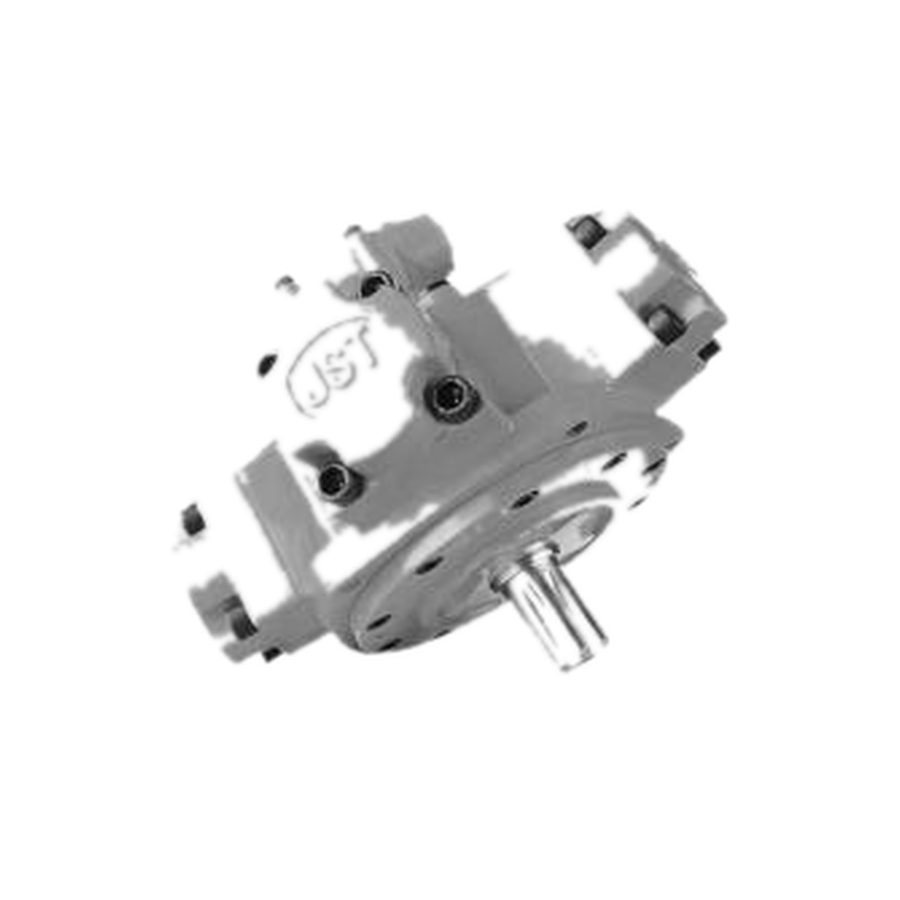
JHM and JNM radial piston motors suit heavy-duty low-speed drives. BM orbital motors fit compact, moderate-duty installations. QJM is a low-speed high-torque radial ball-piston motor with a floating rotor and spherical raceway, considered where high torque and continuous heavy rotary duty are priorities. Final sizing must be checked against the selected model curve and installation drawing.
This guide supports preliminary discussion. Final selection must be confirmed from the specific model data, hydraulic circuit, installation drawing and machine safety requirements.